


SenusaBio: Software Penilaian Gen Nusantara
Chandra Prasetyo Utomo, Nashuha Insani, Puspa Setia Pratiwi, Muhamad Fathurahman, Aldo Al Deanov, Sarah Adinda Puteri, Ria Putri Rahmadani, Tyas Ikhsan Hikmawan, Ahmad Rusdan Utomo
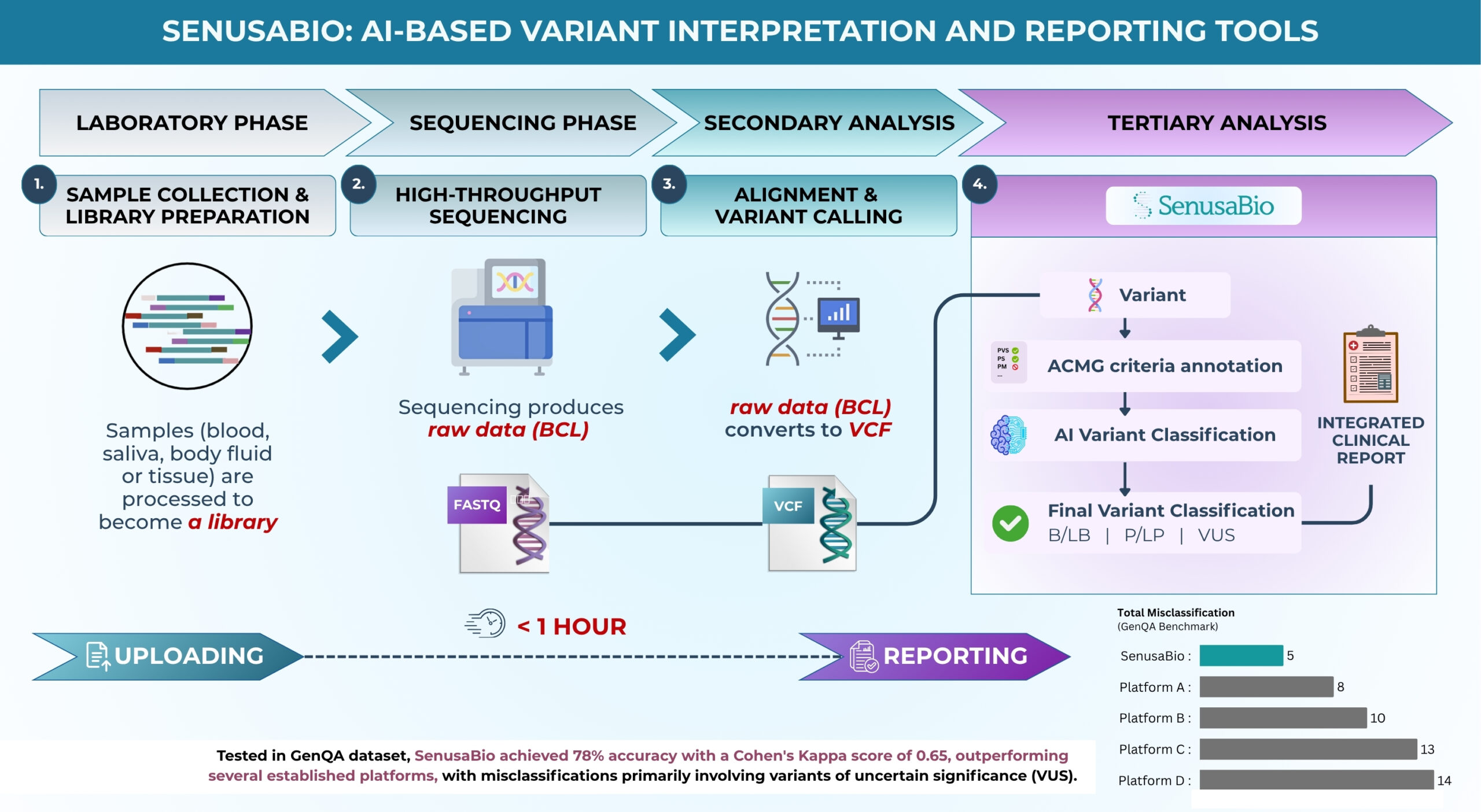
SenusaBio is a comprehensive bioinformatics platform designed to streamline the complex process of genomic variant interpretation, pathogenicity classification, and clinical reporting. In the rapidly evolving field of precision medicine, accurately determining the clinical significance of genetic variants is critical. SenusaBio addresses this challenge by integrating advanced computational algorithms and up-to-date genomic databases to automate and standardize the variant analysis workflow. The system systematically evaluates genetic alterations against established guidelines, such as those from the American College of Medical Genetics and Genomics (ACMG), to classify variants ranging from benign to pathogenic with high confidence. Beyond classification, SenusaBio generates clear, actionable, and clinician-ready reports that translate complex genomic data into meaningful insights for patient care. By reducing manual bottlenecks and minimizing interpretation errors, this project empowers healthcare providers and geneticists to deliver faster, more accurate diagnoses, ultimately facilitating targeted therapeutic strategies and improving patient outcomes.
Ashoka: Alat Skrining Hispopadia Organ Kelamin Anak Laki
Chandra Prasetyo Utomo, Muhamad Fathurahman, Muhammad Wildan Pratama, Samsuridjal Djauzi, Arry Rodjani, Gerhard Reinaldi Situmorang, Putu Angga Risky Raharja, Marco Raditya, Dwidian Khresna, Kevin Yonathan, Reyner Arden, Irfan Wahyudi
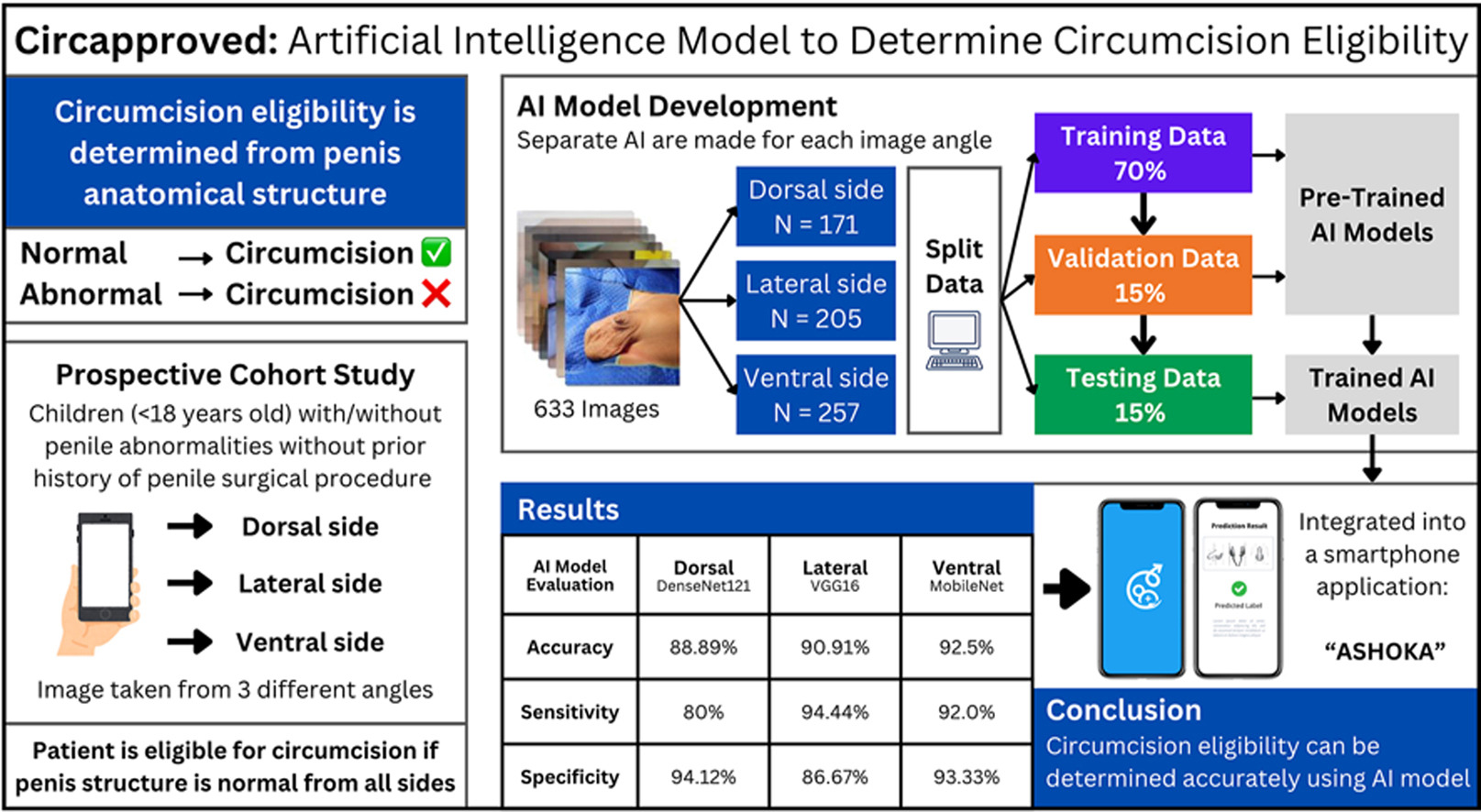
The ASHOKA (Alat Skrining Hypospadia pada Organ Kelamin Anak Laki-Laki) project is a digital health innovation developed by the Universitas YARSI AI Center to provide early screening for Hypospadias in children. Hypospadias is a congenital condition where the urethral opening is displaced, which can lead to functional and psychosocial issues if left untreated. Given the shortage of urologists in Indonesia, this AI powered mobile application serves as a scalable solution for early detection.Technically, ASHOKA utilizes machine learning models trained with image augmentation to ensure high accuracy despite limited initial data. The infrastructure is built on Google Cloud Platform using Cloud Run and Firestore to provide a secure and reliable medical environment.The project highlights the success of YARSI’s output based curriculum, involving students with international certifications in TensorFlow and Cloud engineering. Currently available on the Google Play Store, ASHOKA aims to expand its capabilities to include screening for other pediatric genital abnormalities and circumcision related services in the future.
ViuMe
Chandra Prasetyo Utomo, Muhamad Fathurrachman, Muhammad Wildan Pratama, Yulia Suciati, Ahmad Rusdan Utomo, Indra Kusuma, Asep Muhamad Ridwanuloh, Nunung Ainur Rahmah
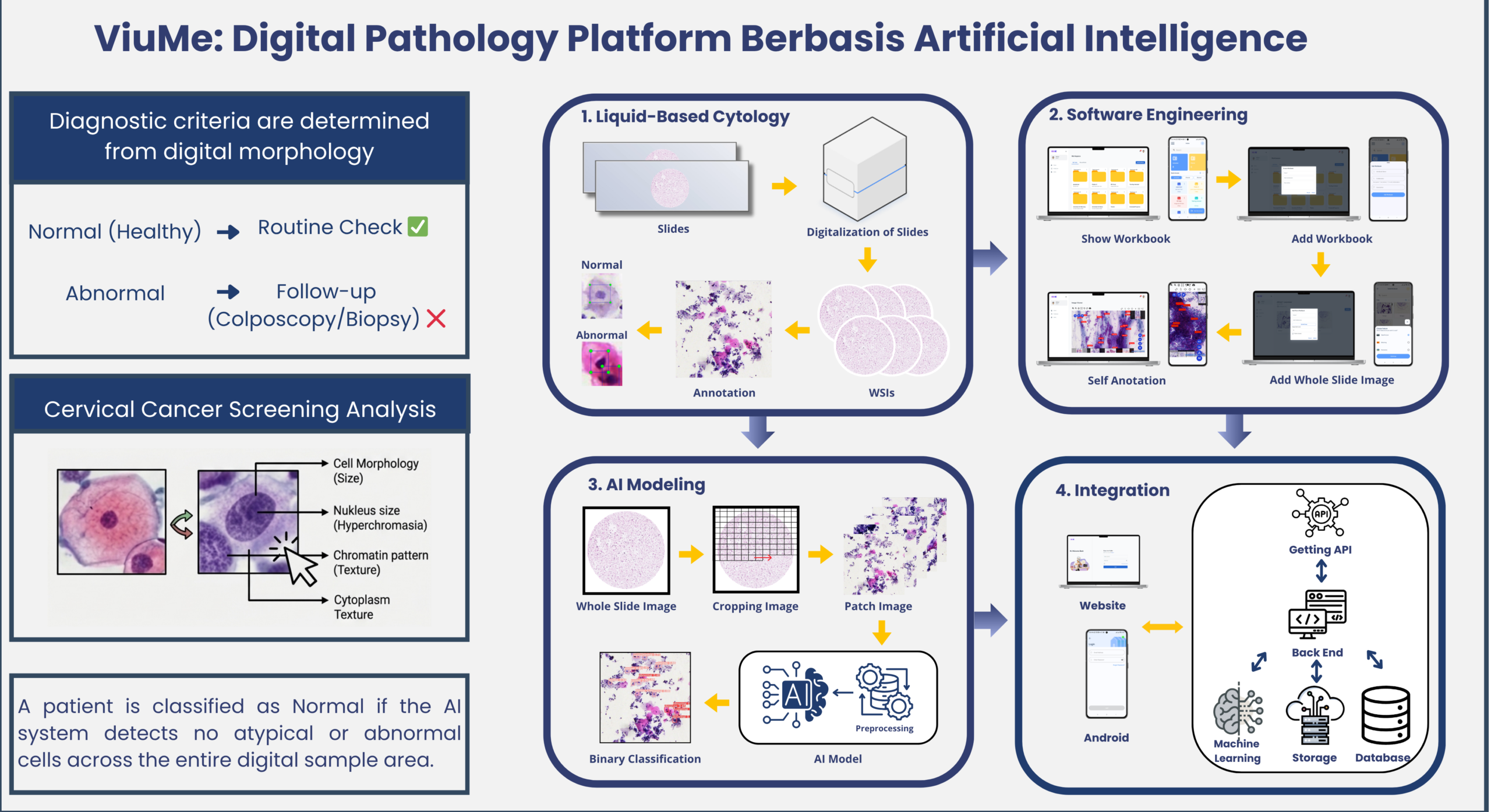
ViuMe is an AI powered digital pathology platform developed through a strategic collaboration between Universitas YARSI, PT Patgen Diagnostik Teknologi, and YARSI Hospital. Funded by the 2023 Kedaireka Matching Fund, the project focuses on the early detection of cervical cancer. By utilizing Liquid Based Cytology which offers superior accuracy over conventional methods, the platform addresses the critical shortage of pathology experts by providing faster and more reliable digital image analysis.The technical development of ViuMe involves high performance machine learning models trained on digitized slides annotated by professional pathologists. To ensure maximum security and scalability for medical data, the system is hosted on Amazon Web Services following the Well Architected Framework. The platform features an interactive web dashboard and a user friendly mobile application designed for efficient clinical workflows. This synergy between academia and industry not only produces innovative healthcare solutions but also provides students and faculty with invaluable experience in deploying real world AI technologies.
PRISM
Chandra Prasetyo Utomo, Kohei Ichikawa, Nashuha Insani, Kundjanasith Thonglek, Kang Xingyuan, Chaerita Maulani, Ummi Azizah Rachmawati
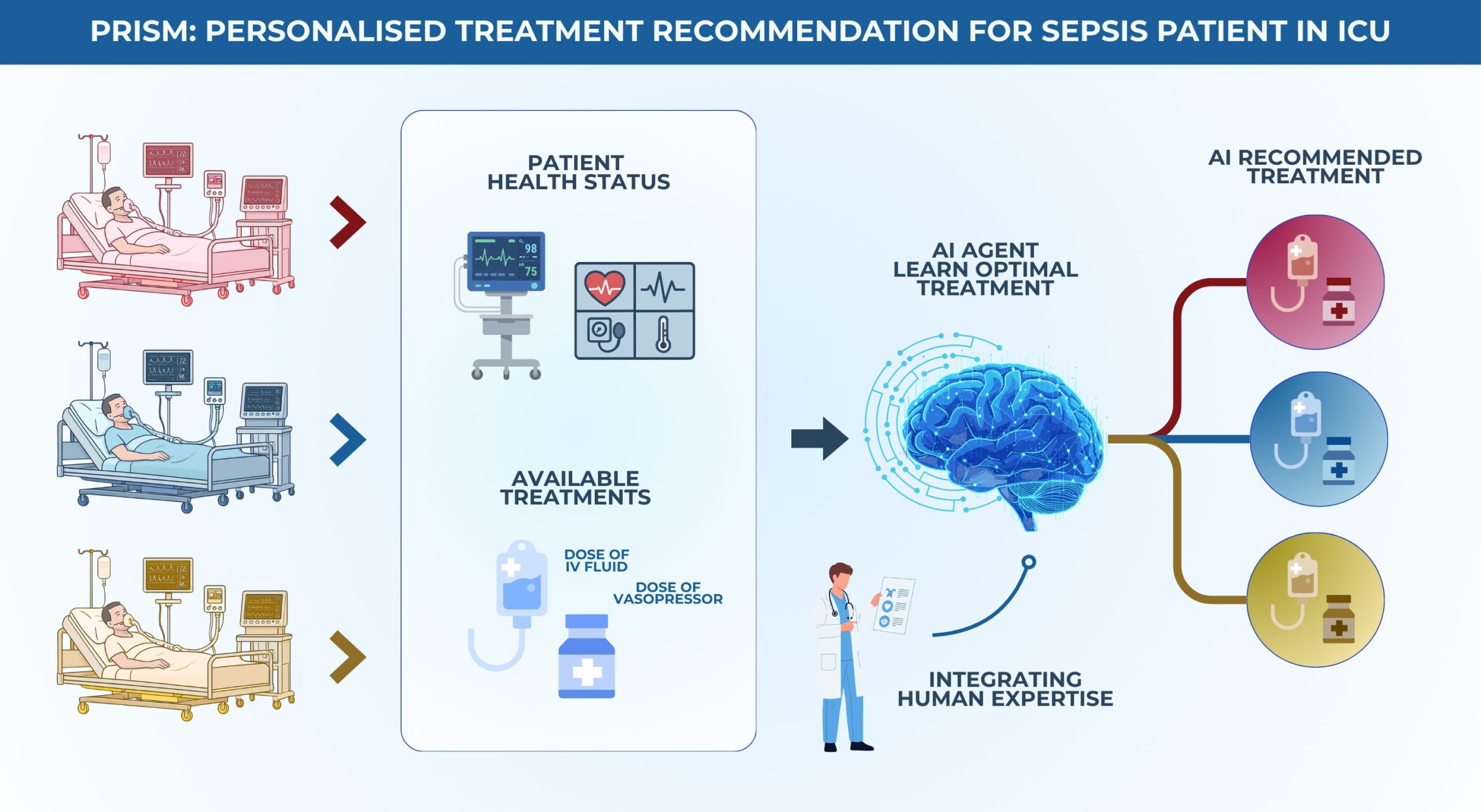
PRISM is an advanced clinical decision-support tool engineered to improve outcomes for critically ill patients in the Intensive Care Unit (ICU). Sepsis is a life-threatening condition requiring rapid, highly tailored interventions, yet optimal treatment strategies often vary significantly among individuals. PRISM leverages sophisticated machine learning algorithms to continuously analyze high-frequency physiological data and comprehensive electronic health records in real-time. By tracking a patient’s evolving clinical state, the system dynamically models disease progression and predicts individual responses to various medical interventions, such as fluid resuscitation and vasopressor administration. PRISM then generates actionable, personalized treatment recommendations designed to stabilize the patient and reduce mortality risks. This project bridges the gap between complex artificial intelligence and bedside clinical care, providing ICU physicians with a powerful, data-driven assistant that enhances decision-making, optimizes resource utilization, and ultimately strives to save lives in high-stakes medical environments.
Precident-AI
Chandra Prasetyo Utomo, Nurfaridah, Nashuha Insani, Widya Lestari, Cortino Sukotjo, Adilah S Abdullah, Afifah MA Amin, Azlini Ismail, Mohamad Shafiq Mohd Ibrahim
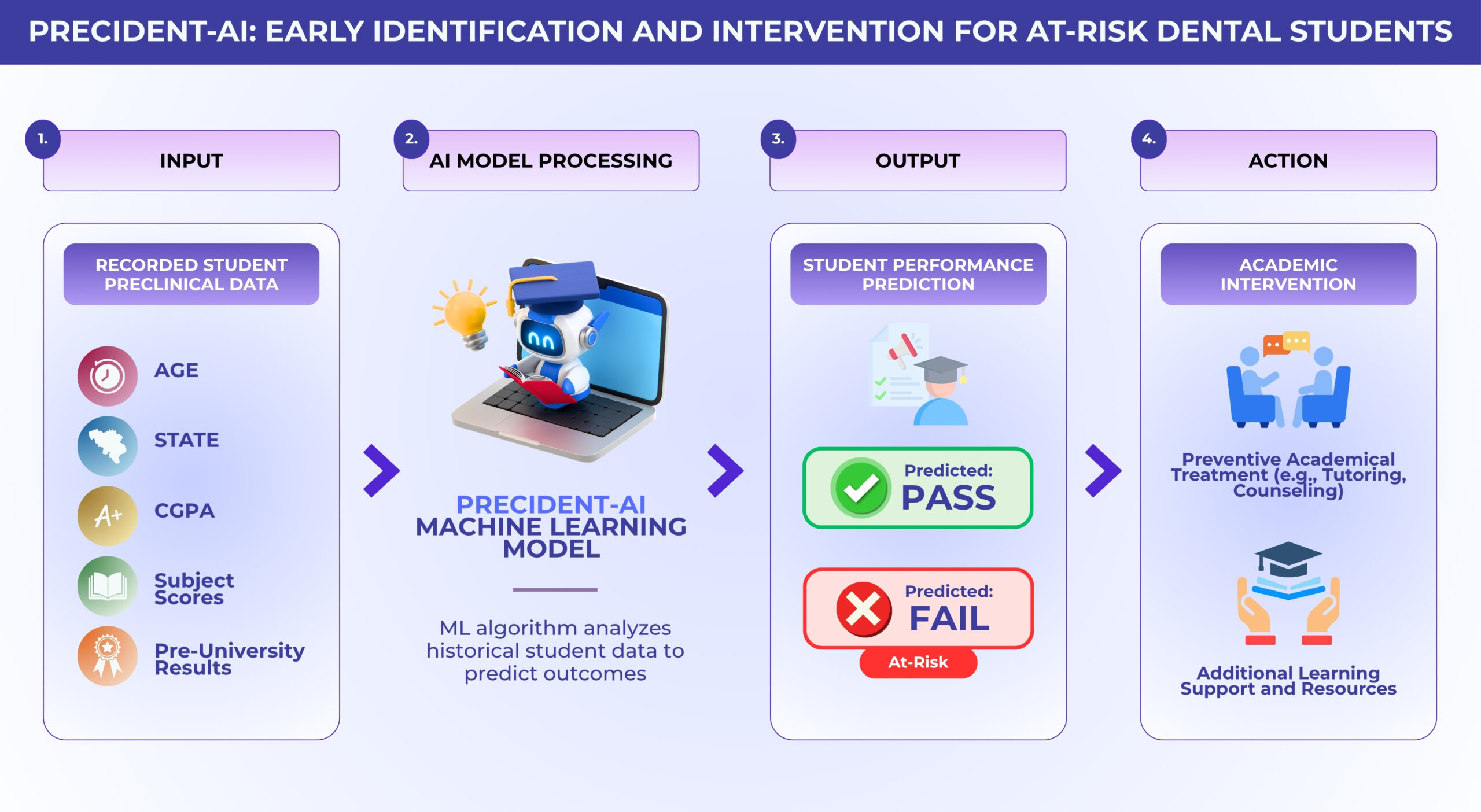
Precident-AI is an AI-powered system designed to address the high academic demands and challenges inherent in dental education. Despite rigorous admission processes, some students still face difficulties during early pre-clinical phases. This failure often triggers severe stress and delays graduation. Early identification of at-risk students is vital for providing timely interventions. Machine Learning (ML) offers an objective approach to predicting academic outcomes based on historical data. Through a cross-border partnership between academic institutions, this research aims to design an ML model that predicts pass/fail probabilities using pre-university scores. The core challenge addressed is overcoming annual cohort variations and extreme class imbalance; the small minority of failing students creates heavily skewed data, making it difficult for standard algorithms to precisely detect potential academic failures.
mTESE
Chandra Prasetyo Utomo, Muhamad Fathurrachman, Muhammad Wildan Pratama, Rizqy, Leo Arrasy, Ponco Birowo
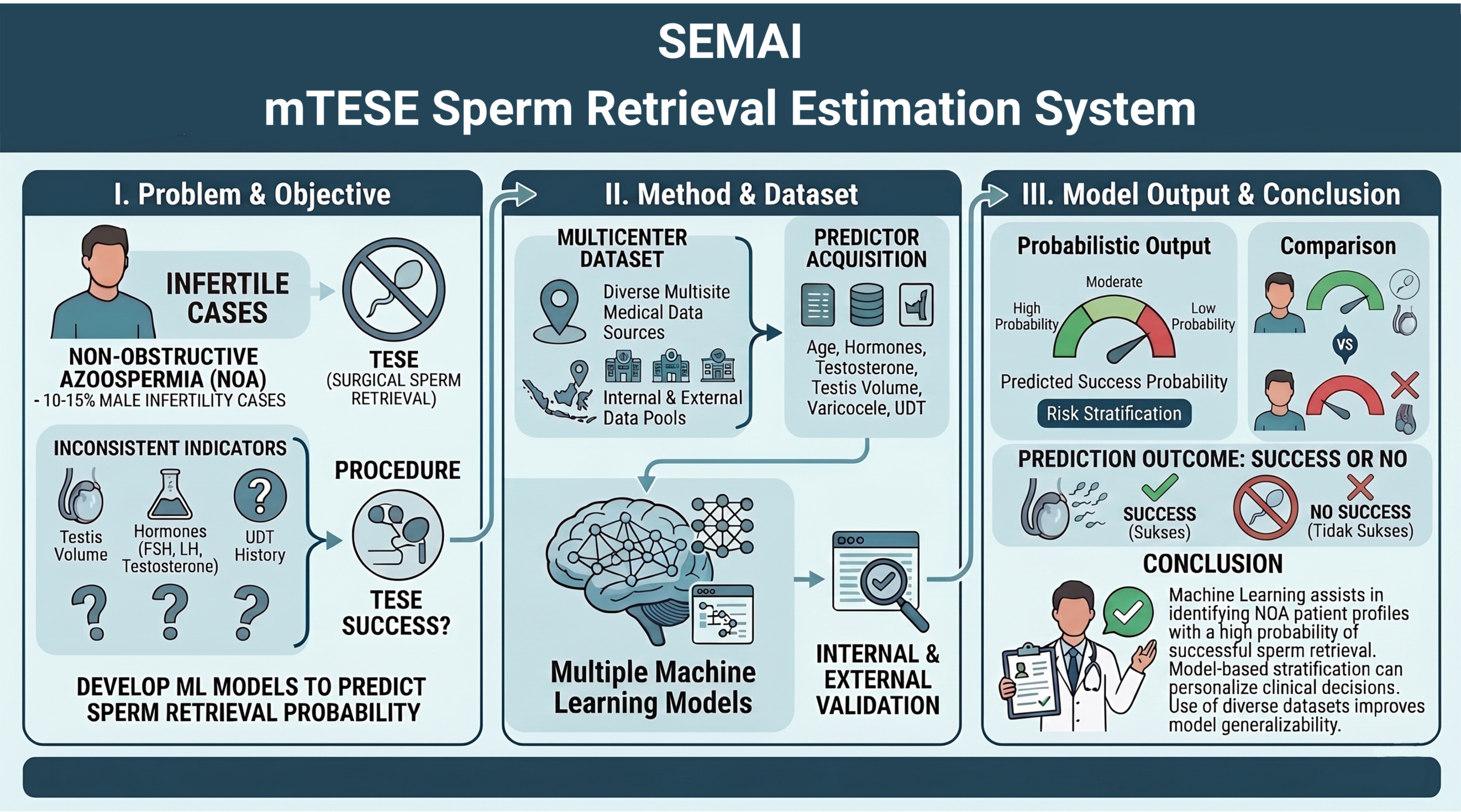
SEMAI – mTESE Sperm Retrieval Estimation System is a platform developed to accurately predict the probability of successful surgical sperm retrieval in patients with non-obstructive azoospermia (NOA). NOA accounts for approximately 10–15% of male infertility cases worldwide. Predicting the success of microdissection testicular sperm extraction (mTESE) remains a significant medical challenge due to highly inconsistent clinical predictive indicators, such as testicular volume, hormone levels, and a history of undescended testis (UDT). To address this, the system integrates robust machine learning (ML) models trained on a diverse multicenter dataset, combining internal and external medical data sources from various regions. The acquired predictor variables include age, hormones (FSH, LH, testosterone), testicular volume, varicocele, and UDT. Evaluated through both internal and external validation, these models generate probabilistic outputs that greatly assist in identifying favorable patient profiles. Ultimately, this ML-based risk stratification empowers clinicians to personalize medical decisions, while the utilization of diverse datasets effectively enhances model generalizability and clinical utility.
Disabilitas Intelektual
###

Lorem ipsum dolor sit amet, consectetur adipiscing elit. Donec vitae dui augue. Maecenas eget ante volutpat ligula convallis lobortis. Sed felis quam, porttitor imperdiet sapien ac, blandit laoreet nibh. Vestibulum et enim viverra, commodo tellus et, ultricies dui. Ut id est tempus, efficitur orci non, placerat lectus. Morbi nec mollis libero, vel dictum tellus. Ut sit amet tellus quam. Aliquam erat volutpat. Morbi accumsan urna eu venenatis ornare. Maecenas volutpat arcu eu risus blandit vestibulum eu sit amet dolor. Praesent nibh est, euismod at ligula ornare, consequat convallis elit. Morbi aliquet justo sit amet tellus sodales, id laoreet mi imperdiet. Aenean sagittis urna nec ultricies feugiat. Nulla vel libero nec diam vulputate eleifend quis ac lorem. Donec auctor ipsum justo, id auctor neque suscipit aliquam.
MRICondyleNet
###
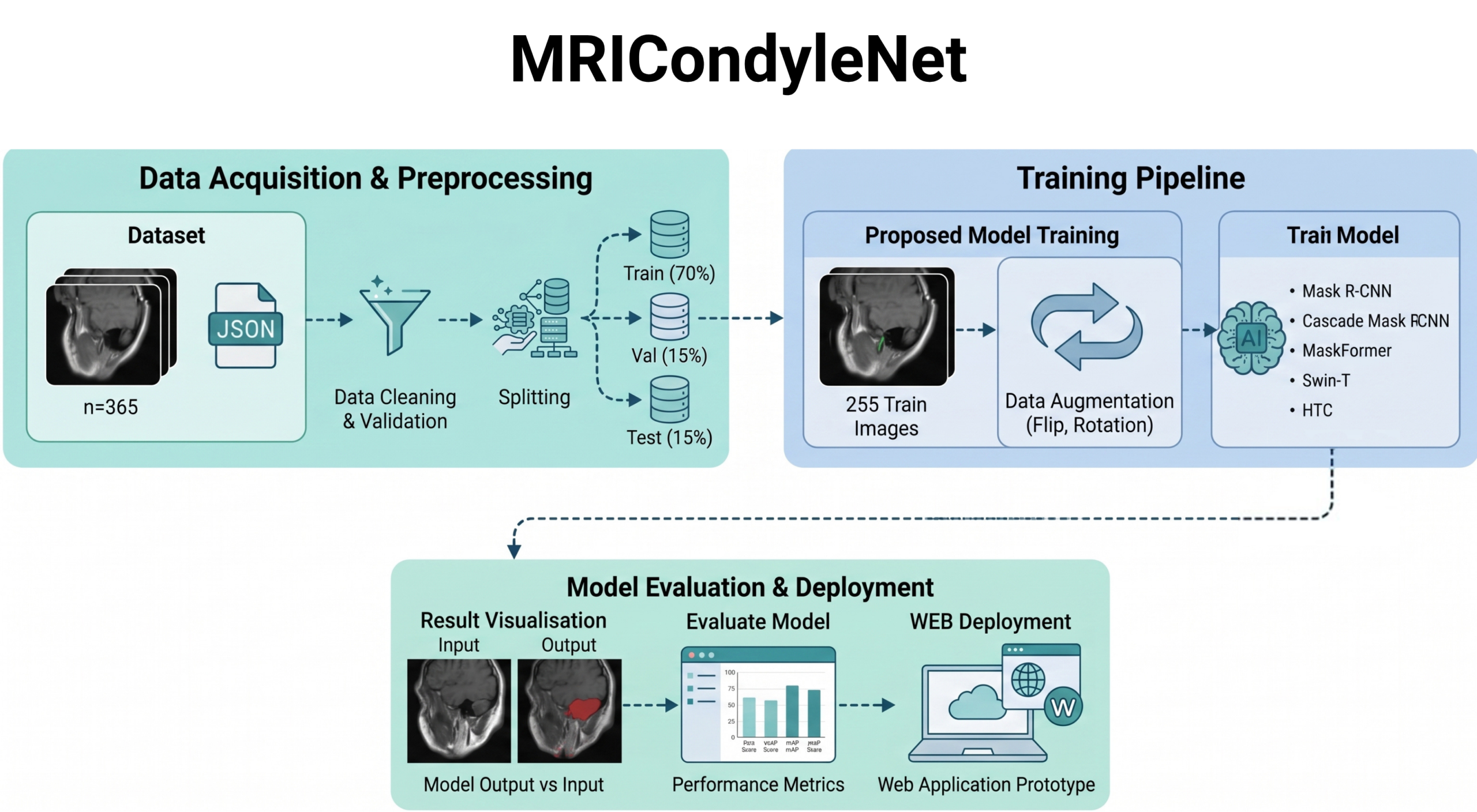
MRICondyleNet is a comprehensive medical image segmentation platform designed specifically to precisely localize and delineate the condyle region. Automated segmentation of Temporomandibular Joint (TMJJ) anatomical structures in MRI scans is crucial for efficient clinical diagnosis, alleviating the time-consuming nature of manual delineation and reducing inter-observer variability. Operating as an end-to-end, pure deep learning pipeline, strictly avoiding hybrid architectures, the project scope encompasses the evaluation and integration of state-of-the-art instance segmentation models, including Mask R-CNN, Cascade Mask R-CNN, Hybrid Task Cascade (HTC), and Mask2Former with a Swin-T backbone. To ensure high reliability, these models are rigorously evaluated using standard computer vision metrics. The project transitions these advanced architectures from theoretical evaluation on a curated MRI dataset directly into a practical clinical tool. Ultimately, the MRICondyleNet segmentation platform is deployed as an interactive, user-friendly web application, facilitating real-time prediction visualization and delivering a scalable, deployment-ready diagnostic solution to support modern pathology workflows.